How the Strait of Hormuz Crisis is Impacting Global Shipping
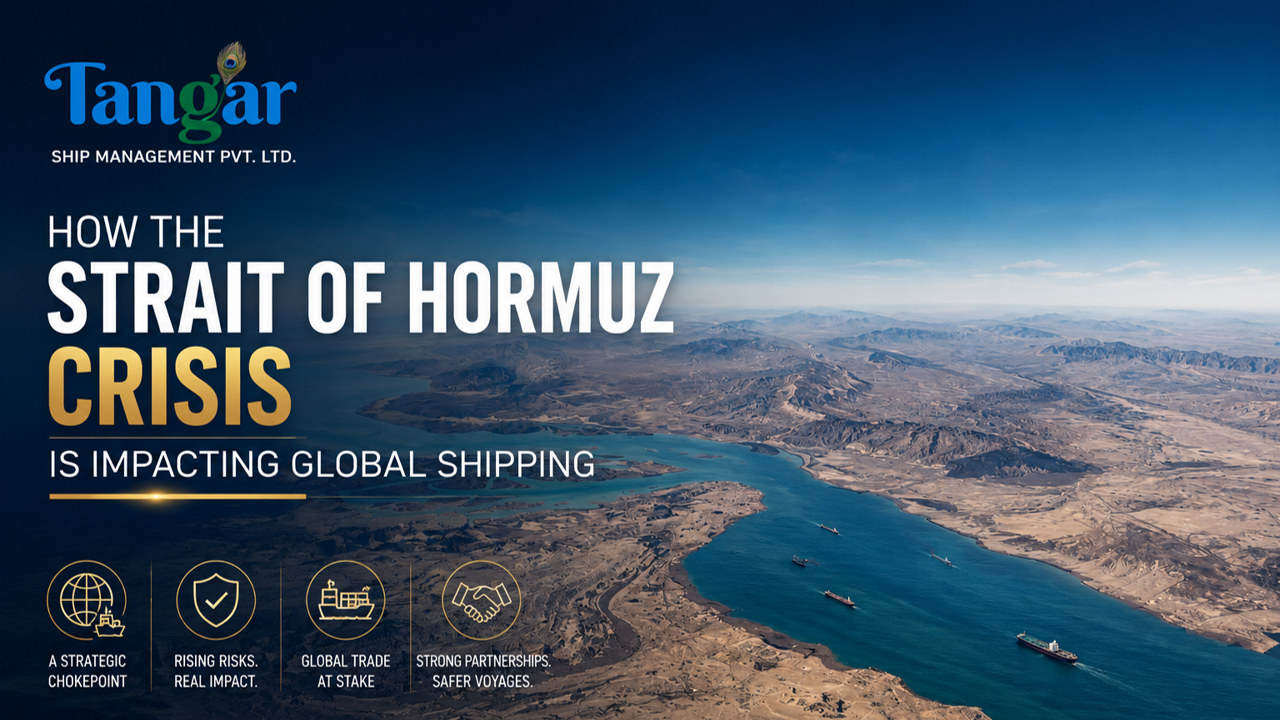
The maritime industry has always demonstrated remarkable resilience in the face of geopolitical uncertainty. One of the most closely watched developments in recent months has been the evolving situation in the Strait of Hormuz a strategic maritime passage that plays a pivotal role in global energy transportation and international trade.
While the crisis has introduced operational complexities for shipowners, charterers, and operators, it has also highlighted the importance of proactive planning, strong ship management practices, and effective risk mitigation.
At Tangar Ship Management, we believe that every challenge presents an opportunity to strengthen operational excellence and industry collaboration
Why is the Strait of Hormuz So Important?
The Strait of Hormuz is one of the world's most strategically significant maritime chokepoints, connecting the Persian Gulf with the Gulf of Oman and the Arabian Sea.
Approximately 20% of the world's crude oil and a significant share of global LNG exports transit through this narrow waterway, making it indispensable for global energy security and international shipping. Any disruption in this corridor has far-reaching implications across the maritime supply chain.
The Current Situation
Recent geopolitical tensions have led to increased security concerns, enhanced naval monitoring, revised transit procedures, and heightened risk assessments for vessels operating in the region.
Although shipping continues under carefully managed conditions, operators are exercising greater caution while continuously monitoring security advisories issued by governments, maritime authorities, and industry organizations. Recent developments have also resulted in temporary disruptions, supervised vessel movements, and evolving navigation protocols.
Key Impacts on Global Shipping
1. Rising Marine Insurance Costs
One of the most immediate consequences has been the sharp increase in war-risk insurance premiums.
Shipowners operating in or near the Gulf region are experiencing significantly higher insurance costs, directly influencing voyage economics and chartering decisions. These additional expenses are becoming an important consideration in commercial planning.
2. Longer Voyage Planning and Route Optimization
Many operators are reviewing voyage plans to enhance operational safety and minimize exposure to high-risk areas.
This has increased the importance of:
- Advanced voyage planning
- Dynamic route optimization
- Real-time risk assessment
- Continuous monitoring of security advisories
Efficient planning has become just as valuable as operational efficiency.
3. Increased Freight Market Volatility
Whenever a major maritime chokepoint experiences disruption, freight markets respond quickly.
Factors contributing to freight volatility include:
- Increased operational expenses
- Limited vessel availability
- Extended voyage durations
- Higher insurance premiums
- Greater uncertainty in voyage scheduling
For shipowners, strategic fleet management has become increasingly valuable during these periods.
4. Greater Focus on Crew Safety
The maritime industry's greatest asset remains its people.
During periods of geopolitical uncertainty, crew welfare becomes an even higher priority. Shipping companies are strengthening:
- Security briefings
- Emergency preparedness
- Communication procedures
- Mental well-being support
- Voyage risk assessments
Protecting seafarers remains fundamental to safe and sustainable shipping.
5. Supply Chain Adjustments
The Strait of Hormuz is closely connected with global energy supply chains.
Any operational disruption can influence:
- Refinery supply schedules
- LNG transportation
- Commodity markets
- Manufacturing costs
- Global logistics planning
Importers, exporters, and logistics providers are therefore placing greater emphasis on supply chain resilience and contingency planning.
6. Greater Demand for Professional Ship Management
Periods of uncertainty reinforce the value of experienced ship management partners.
Professional ship managers play an increasingly important role by supporting shipowners through:
- Regulatory compliance
- Crew management
- Technical support
- Operational planning
- Risk management
- Cost optimization
- Efficient communication with stakeholders
Strong operational support enables owners to make informed decisions while maintaining safe and efficient vessel operations.
How the Maritime Industry is Responding
The global shipping industry has consistently demonstrated its ability to adapt.
Across the sector, companies are implementing:
- Enhanced voyage risk assessments
- Continuous monitoring of geopolitical developments
- Closer collaboration with charterers and insurers
- Improved operational flexibility
- Digital fleet monitoring
- Strengthened contingency planning
These measures are helping maintain the uninterrupted movement of global trade despite evolving challenges.
What This Means for Shipowners
Today's operating environment requires more than technical expertise—it demands strategic partnership.
Shipowners increasingly seek partners who can deliver:
- Operational transparency
- Highly trained and competent crews
- Regulatory compliance
- Technical excellence
- Cost-effective vessel management
- Rapid operational response
- Long-term reliability
An experienced ship management company helps transform uncertainty into well-managed operations while safeguarding vessel performance and commercial objectives.
Tangar Ship Management: Delivering Confidence in Challenging Times
At Tangar Ship Management, we understand that today's shipping landscape requires agility, operational excellence, and unwavering commitment to safety.
Our experienced professionals work closely with shipowners to provide:
- Comprehensive Crew Management
- Technical Management
- Commercial Management Support
- Regulatory Compliance
- Operational Efficiency
- Safety-First Practices
- Transparent Communication
By combining industry expertise with proactive management, we help shipowners navigate changing market conditions with confidence while maintaining the highest standards of safety, reliability, and performance.
Looking Ahead
The Strait of Hormuz remains one of the world's most strategically important shipping corridors. While geopolitical developments may continue to shape global maritime operations, the industry's resilience, innovation, and collaborative approach ensure that international trade continues to move forward.
As shipping evolves, success will increasingly depend on preparedness, operational excellence, and trusted partnerships.
At Tangar Ship Management, we remain committed to supporting shipowners with dependable ship management solutions that prioritize safety, efficiency, and long-term value regardless of the challenges ahead.