How Geopolitical Tensions are Reshaping Crew Management & Global Shipping Routes
The maritime industry has always adapted to global change with remarkable resilience. From evolving trade corridors to advancements in vessel technology, shipping continues to transform alongside the world economy. Today, geopolitical developments are once again encouraging the industry to rethink how vessels operate, how routes are planned, and most importantly, how crews are managed.Yet, beyond the operational adjustments, this transformation is creating a smarter, stronger, and more connected maritime ecosystem.
Shipping Routes Are Becoming More Dynamic
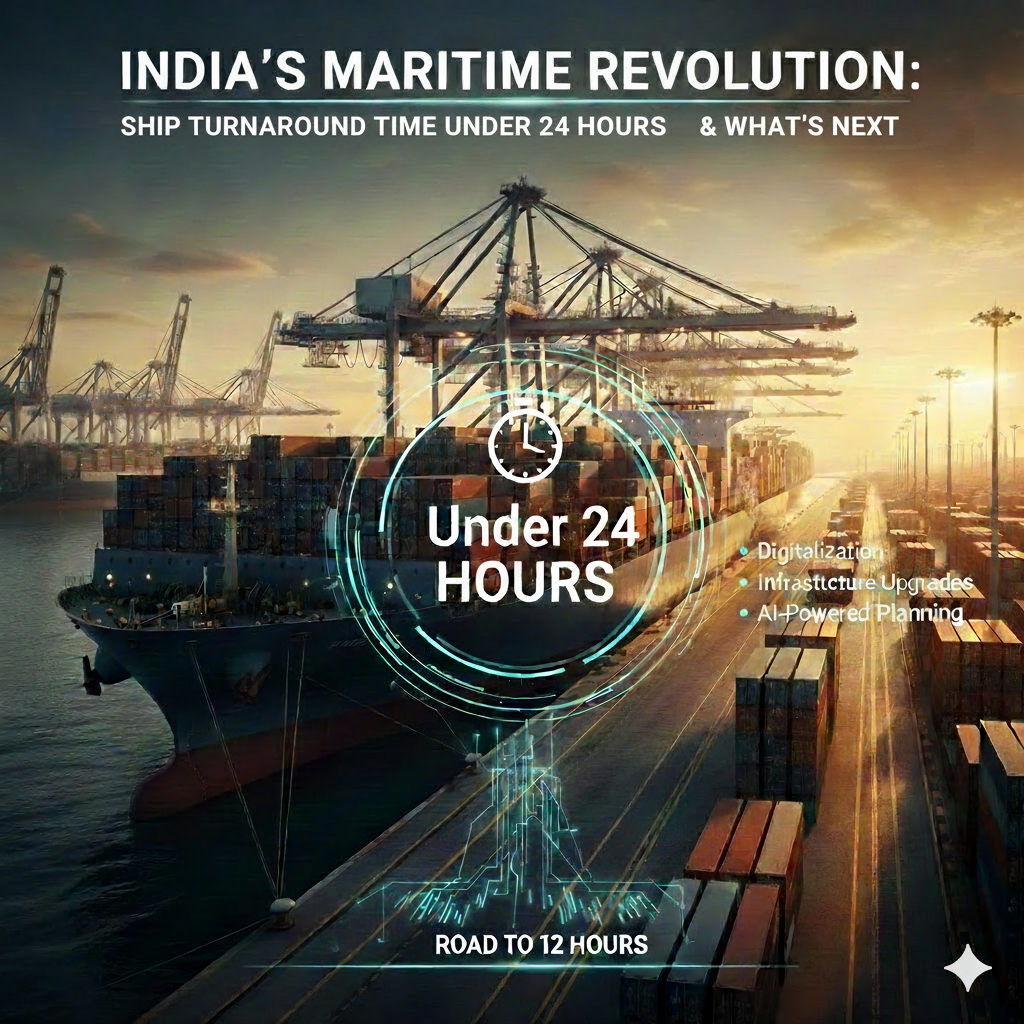
For decades, global shipping routes followed highly predictable trade patterns. Today, shipowners and operators are increasingly embracing route flexibility to ensure operational continuity, efficiency, and commercial optimization.
As international trade patterns evolve, shipping companies are exploring:
Alternative sailing corridors
Emerging transshipment hubs
Regional logistics partnerships
Diversified port rotations
Flexible fleet deployment strategies
This shift is encouraging operators to adopt more agile voyage planning models that improve adaptability while maintaining service reliability.
Modern shipping is no longer defined only by destination it is now driven by strategic movement, operational intelligence, and long-term planning.
Crew Management Has Become a Competitive Advantage
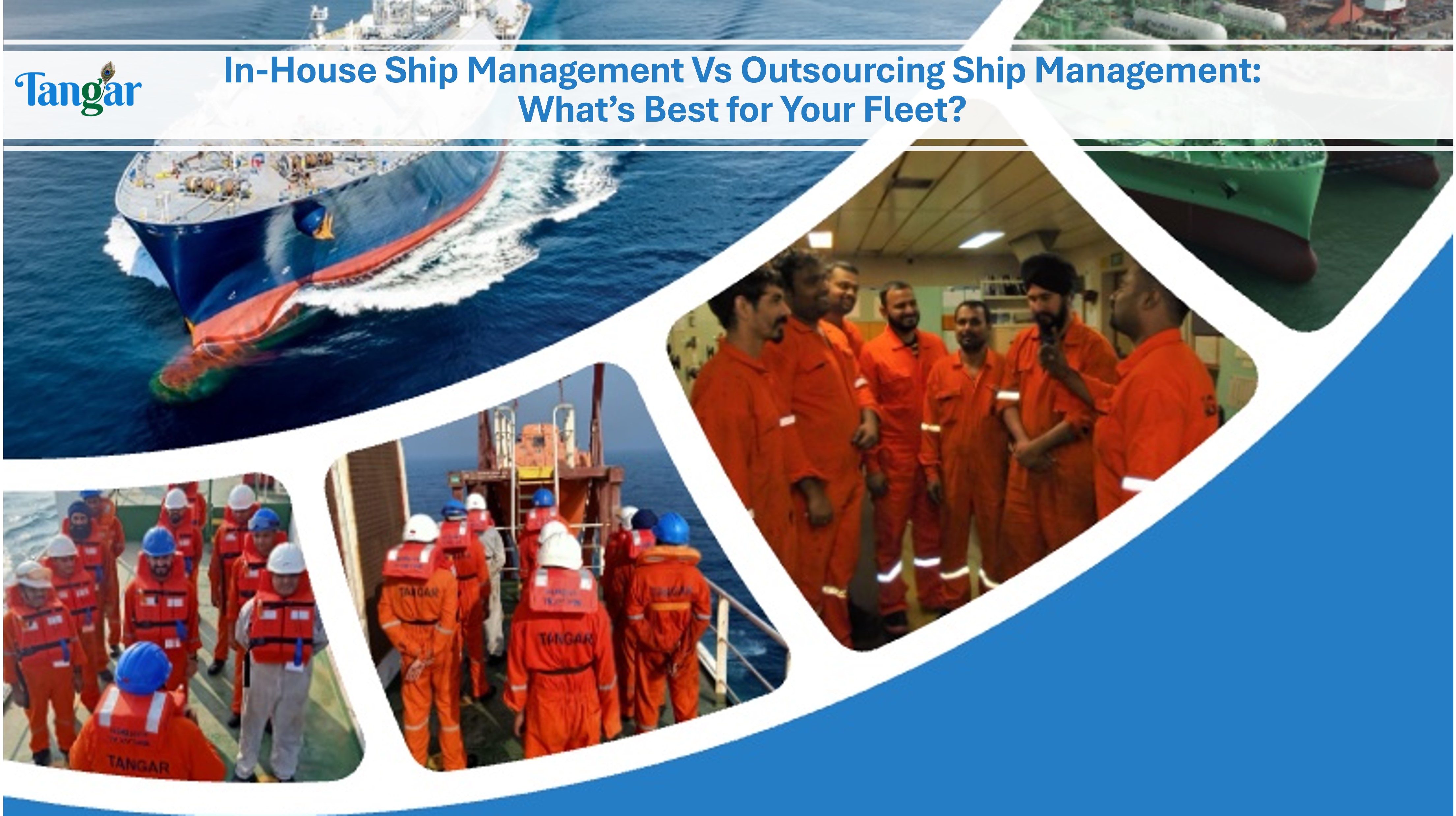
One of the biggest transformations happening within the maritime sector is the growing strategic importance of crew management.
In today’s operational environment, shipowners understand that vessel performance is directly linked to crew stability, readiness, and coordination. As routes become more dynamic and operational planning becomes more precise, crew management is evolving into a critical business function.
The focus is now on:
Building reliable backup crew pools
Faster crew mobilization
Cross-national crew coordination
Rotation continuity
Training readiness
Compliance efficiency
Shipowners increasingly prefer crew management partners who can provide not just manpower, but operational confidence.
The ability to place the right seafarer at the right time with proper documentation,preparedness, and support has become essential to maintaining uninterrupted vessel operations.
The Human Side of Maritime Operations
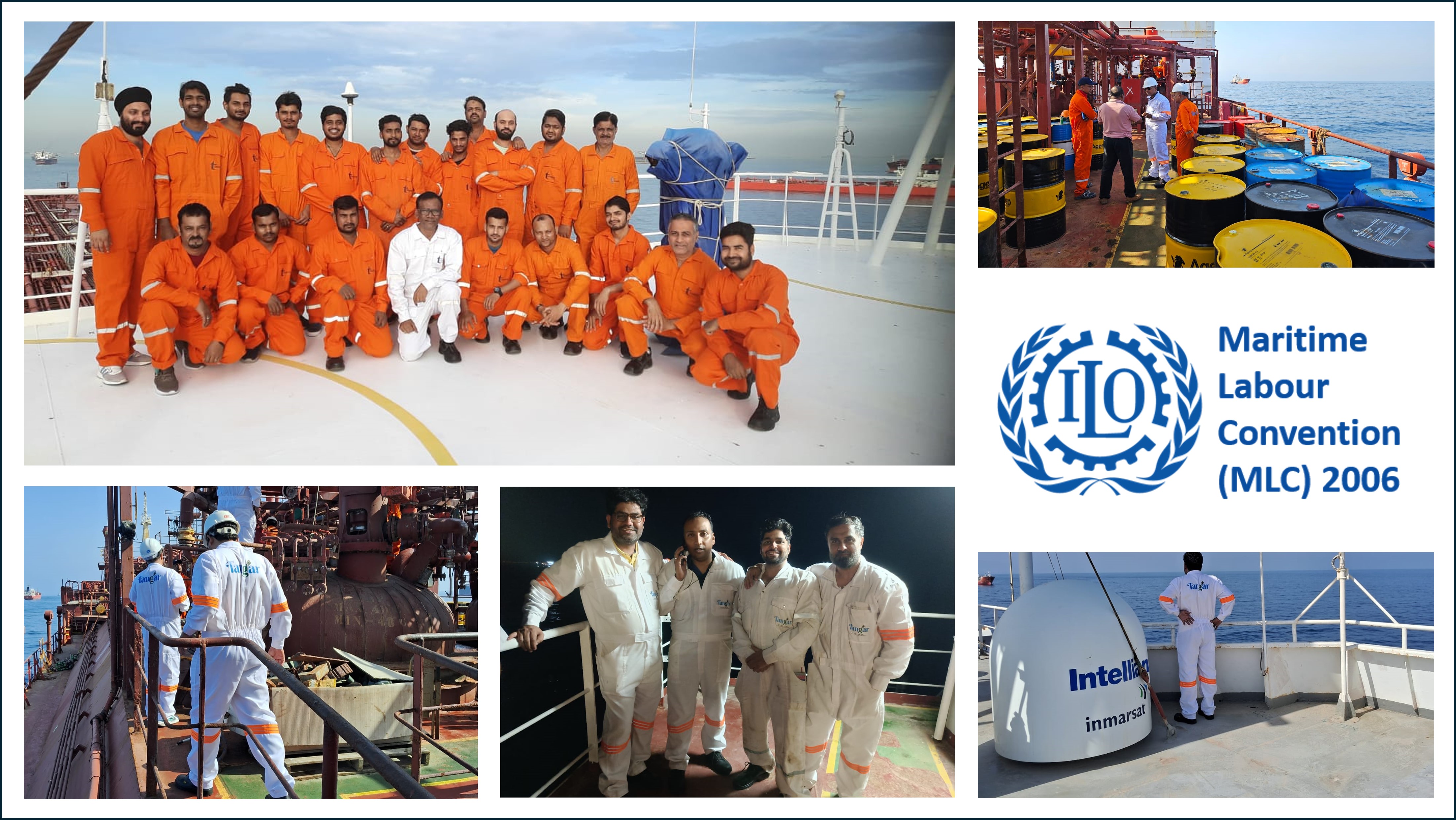
While technology and logistics continue to evolve, the maritime industry is also placing greater value on the people behind global trade the seafarers.
Longer voyages, changing routes, and dynamic schedules have encouraged companies to invest more deeply in crew welfare and onboard well-being.
Across the industry, there is growing emphasis on:
Better communication access onboard
Improved onboard living standards
Mental wellness initiatives
Efficient relief planning
Career development opportunities
Multicultural crew integration
This positive shift reflects a broader understanding that operational excellence begins with motivated and supported crews.
When seafarers feel valued, vessel performance naturally improves through stronger teamwork, higher efficiency, and better operational consistency.
Technology is Redefining Maritime Operations
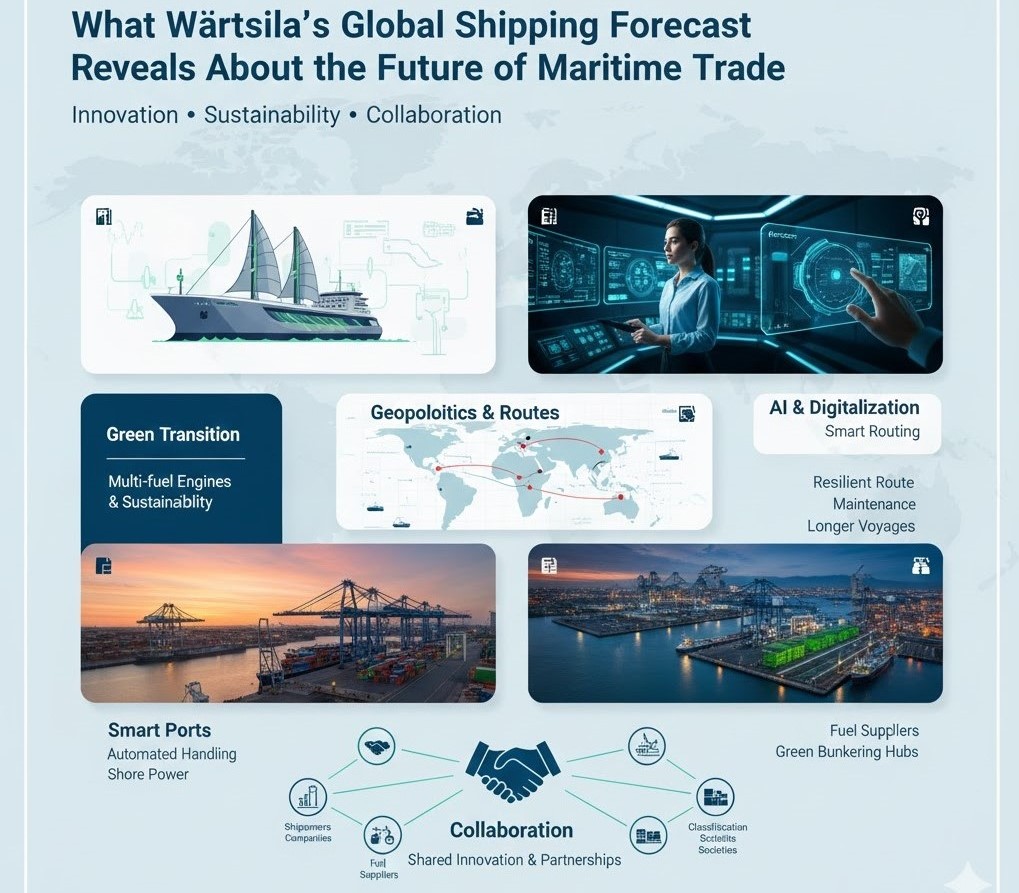
The maritime sector is entering an era where digital transformation is becoming central to operational planning.
Advanced technologies are helping shipping companies respond faster, plan better, and manage operations more efficiently than ever before.
Key innovations reshaping the industry include:
AI-assisted crew planning
Digital compliance management
Predictive maintenance systems
Real-time vessel monitoring
Smart voyage optimization tools
Remote operational coordination
Technology is not replacing maritime expertise it is strengthening it.
By combining human experience with digital intelligence, shipowners are building more resilient and future-ready operations.
A New Generation of Maritime Partnerships
As the shipping landscape evolves, the role of trusted maritime partnerships is becoming increasingly important.
Shipowners today seek partners who offer:
Quick response capability
Reliable crew availability
Transparent communication
Operational flexibility
Long-term collaboration mindset
This evolution is encouraging stronger collaboration between shipowners, managers, operators, and crew management companies worldwide.
The maritime industry is becoming more interconnected, where reliability, adaptability, and people-focused operations define long-term success.
Looking Toward the Future
The future of shipping is not being shaped by uncertainty it is being shaped by adaptability.
As global trade routes evolve and maritime operations become increasingly sophisticated, the industry is discovering new opportunities for innovation, efficiency, and growth.
Shipowners who invest in:
Strong crew support systems
Operational flexibility
Digital transformation
Reliable maritime partnerships will continue to lead confidently in the years ahead. Because beyond every successful voyage, efficient operation, and global trade movement, there remains one constant driving force skilled people at sea.
And as the maritime world continues to evolve, strong crew management will remain one of the industry’s greatest strengths.