Hidden Costs Ship Owners Don’t Realize They’re Paying and How Smart Ship Management Solves Them
Shipping is a capital-intensive business. Ship owners calculate bunker prices, port expenses, charter rates, and insurance premiums. But the biggest drain on profitability is often not visible on a balance sheet. It hides in inefficiencies, delays, miscommunication, and poor planning. At Tangar Ship Management, we’ve seen how these “silent expenses” quietly reduce margins — especially for tanker and gas carrier operators. Here’s a closer look at the hidden costs ship owners don’t always realize they’re paying and how smart ship management eliminates them.
Poor Preventive Maintenance = Expensive Breakdowns
Skipping preventive maintenance may seem like short-term saving. In reality, it’s one of the most expensive mistakes.
Unplanned breakdowns lead to:
- Off-hire days
- Emergency repair premiums
- Spare parts at urgent rates
- Charter party disputes
A well-structured Planned Maintenance System (PMS) ensures machinery reliability, extends asset life, and avoids costly surprises. Smart ship management means planning repairs before problems escalate — not reacting after damage is done.
Crew Turnover & Inefficient Crew Planning
Crew costs are not just salaries. The real expense lies in high turnover, poor planning, and inadequate training.
Hidden losses include:
- Repeated recruitment expenses
- Travel and visa coordination delays
- Reduced onboard efficiency
- Safety incidents due to unfamiliar teams
Experienced, stable crew improve operational performance and reduce incident risks. Effective crew management ensures proper rotation planning, compliance with STCW standards, and consistent onboard performance.
Port Delays & Documentation Errors
A minor documentation error can result in hours or even days of delay.
Port State Control inspections, cargo paperwork, and compliance documentation must be flawless. Even small non-conformities can cause:
- Demurrage
- Off-hire claims
- Reputational damage
- Additional port fees
Professional technical and commercial management ensure documentation accuracy and regulatory readiness before arrival, not after a problem arises.
Fuel Inefficiency & Voyage Mis planning
Fuel remains one of the largest operational expenses for any vessel.
Small inefficiencies in:
- Speed optimization
- Weather routing
- Hull performance
- Bunker procurement
…can significantly impact profitability over time.
Smart ship management uses voyage optimization strategies, performance monitoring, and bunker planning to reduce consumption without compromising schedules.
Compliance Penalties & Regulatory Risks
The maritime industry operates under strict global regulations, including those from the International Maritime Organization (IMO).
Non-compliance with environmental regulations, ballast water management rules, or emission standards can lead to:
- Heavy fines
- Vessel detention
- Increased insurance premiums
- Long-term reputational damage
Proactive compliance management ensures vessels are always audit-ready, reducing regulatory risk and financial exposure.
The Real Cost of “Saving Money”
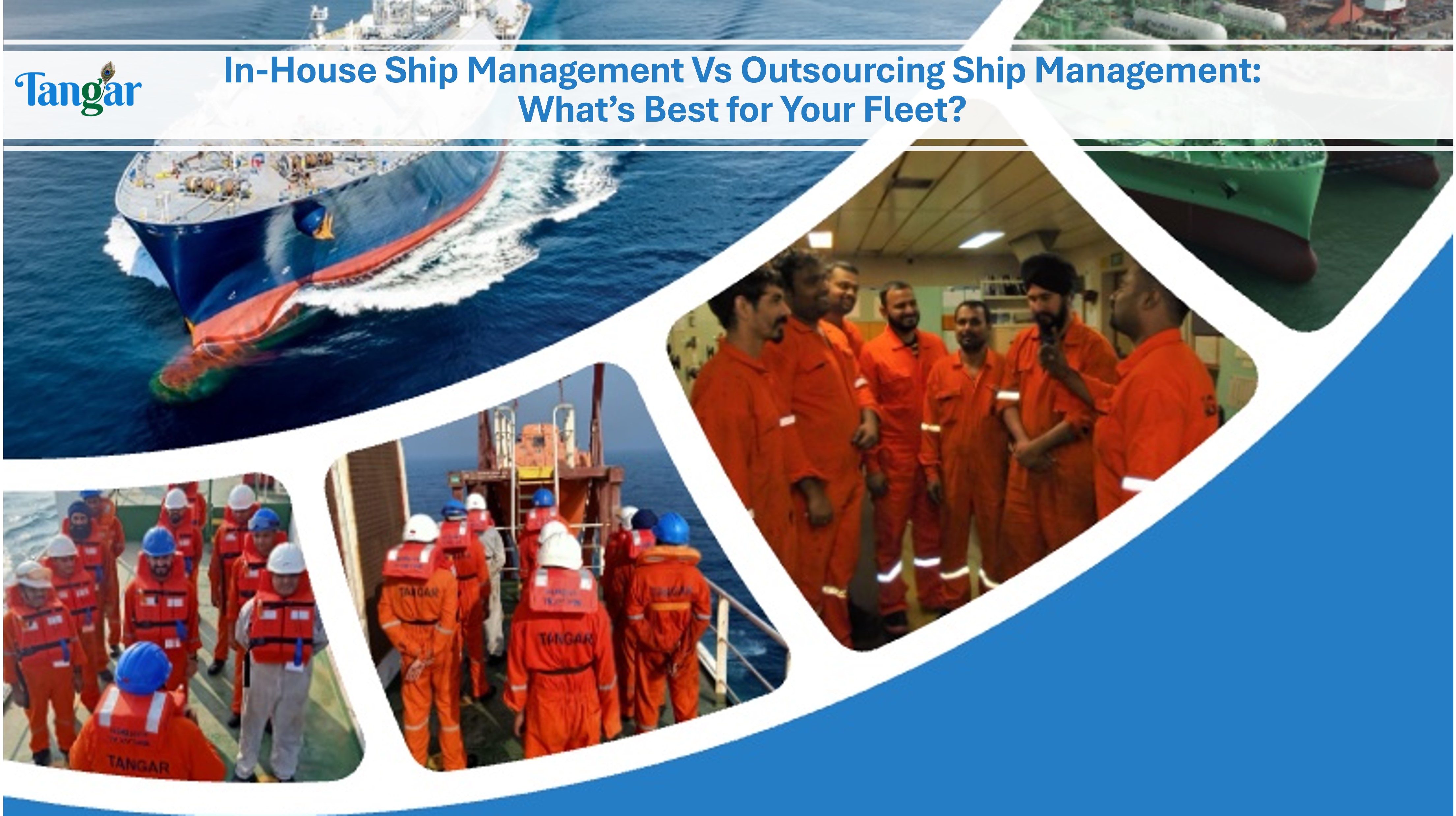
Some owners attempt to reduce management fees by handling operations internally or choosing the lowest-cost service provider. But cost-cutting without strategy often results in higher long-term expenditure.
A professionally managed vessel:
- Operate efficiently
- Maintains higher charter value
- Experiences fewer delays
- Attracts quality crew
- Build stronger charterer confidence
The difference between reactive management and strategic management can directly impact annual profitability.
How Smart Ship Management Makes the Difference
At Tangar Ship Management, our approach focuses on:
- Preventive technical management
- Structured crew planning
- Compliance-first operations
- Commercial performance optimization
- Transparent reporting
We believe ship management is not just about operating vessels — it’s about protecting investments and maximizing long-term returns.
Final Thoughts
In today’s competitive maritime market, profitability is not determined only by freight rates. It’s determined by operational discipline.
The question every ship owner should ask is:
“Are hidden inefficiencies silently reducing my margins?”
Because in shipping, what you don’t see on the invoice may be costing you the most.