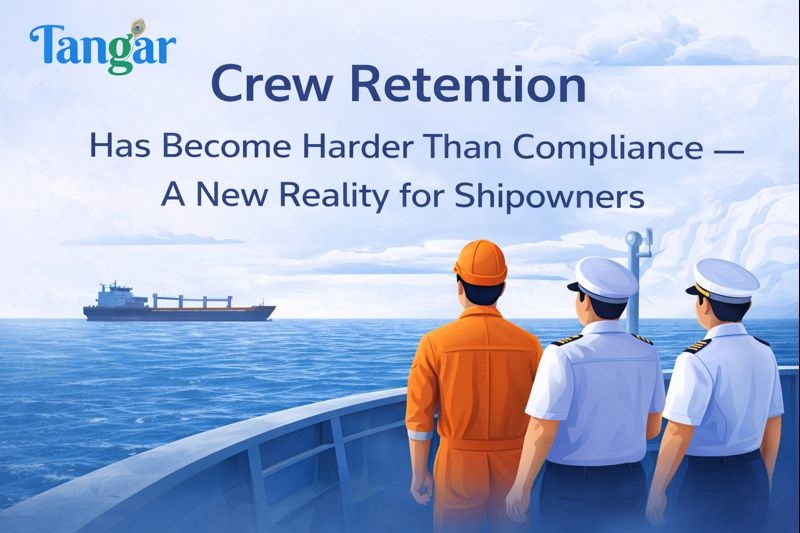
Crew Retention Has Become Harder Than Compliance A New Reality for Shipowners
Over the past twelve months, many shipowners have observed a shift that would have been difficult to imagine a decade ago: retaining competent seafarers has become more challenging than meeting technical and regulatory compliance.
While compliance is increasingly system-driven and auditable, crew retention is human, nuanced, and deeply influenced by leadership, trust, and long-term intent.
Why Crew Retention Is Now the Harder Problem
1. Compliance Is Structured People Are Not
Regulations evolve, but frameworks, checklists, and digital tools make compliance predictable. Crew retention, however, is influenced by fatigue, career expectations, family pressures, and confidence in management ashore.
2. A Mobile Workforce
Seafarers today have greater access to opportunities, information, and peer networks. Good crews are no longer loyal by default; they are loyal by choice.
3. Experience Gap Is Widening
As senior officers retire or change careers, replacing experience with competence not just certification has become increasingly difficult.
How Progressive Owners Are Responding
Investing Beyond Wages
Competitive wages remain important, but they are no longer sufficient. Owners who retain crew successfully are investing in:
- Predictable relief planning
- Transparent promotion pathways
- Vessel-specific continuity
- Shore-based engagement beyond emergencies
Treating Crew Management as a Strategy, not a Service
Crew management is no longer administrative. It is a strategic function directly impacting safety, uptime, and operating cost.
Strengthening the Owner–Manager–Crew Triangle
Alignment between owners, technical teams, and crew managers creates clarity on expectations and accountability, which is something seafarers value highly.
The Role of Professional Crew Management Partners
Where owners maintain in-house technical management, many are choosing to outsource crew management to specialists who bring:
- Scalable crewing pools
- Nationality-specific expertise
- Retention-focused policies
- Compliance-backed welfare systems
This hybrid approach allows owners to retain control while reducing operational friction.
Looking Ahead:
The next competitive advantage in shipping will not come from better manuals or tighter audits alone, it will come from stable, motivated crews who choose to stay.
Owners who recognize this shift early and adapt their crewing philosophy accordingly will be better positioned for both operational resilience and long-term value creation.
What Seafarers Are Really Responding To
Across fleets and nationalities, consistent feedback from seafarers points to a few decisive factors:
- Predictability over promises: Clear contract durations, timely relief, and adherence to rotation commitments.
- Respectful shore-side communication: Being heard and responded to, not just managed.
- Career visibility: Knowing what the next vessel, rank, or development step looks like.
- Consistency of standards: Avoiding frequent procedural changes without explanation or training.
Owners who address these fundamentals see measurable improvements in retention, even in tight labor markets.
Technology Helps But Leadership Decides
Digital crew platforms, training portals, and planning tools improve efficiency, but they do not replace leadership. Retention improves most when technology is paired with:
- Decisive yet fair decision-making
- Early intervention when fatigue or dissatisfaction appears
- Alignment between commercial pressure and human limits
Retention as a Risk Management Tool
High crew turnover increases:
- Off-hire risk
- Incident probability
- Vetting exposure
- Hidden operating costs
Seen through this lens, crew retention is no longer an HR topic, it is a risk management and value preservation issue.
A Deliberate Shift in Mindset
The industry is gradually moving from viewing seafarers as replaceable resources to recognizing them as long-term partners in asset performance. This shift does not require radical change, but it does require consistency, intent, and accountability.
Owners who take this approach are not just retaining crew; they are building operational resilience.
At Tangar Ship Management, we believe strong ships begin with strong crews and strong crews begin with trust.